


Function of Generator Rotor
Release time:
Jan 25,2024
The excitation adjustment of the generator is realized by the automatic excitation regulator to control the conduction angle of the thyristor. It has excellent dynamic control characteristics, good transmission characteristics, can be easily matched with different types and capacities of generators, and has the advantages of low loss.
The role of the generator rotor is mainly reflected in the following aspects:
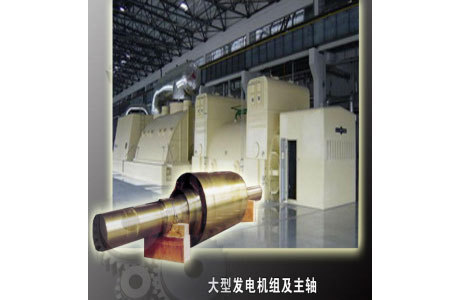
- Generating magnetic field: The generator rotor is the rotating part of the generator, which is mainly composed of conductive rotor windings, magnetically conductive iron cores, rotor shaft extensions, guard rings, center rings and fans. These components work together to enable the rotor to generate a magnetic field.
- Transmission of mechanical torque: The generator rotor receives the mechanical torque supplied by the prime mover, and drives the generator, main oil pump and governor to rotate by transmitting this torque.
- Support rotating excitation coil: The rotor supports the rotating excitation coil to form a good magnetic flux path and a rotor heat dissipation channel.
- Heat dissipation: The design of the rotor also helps to form a good heat dissipation channel, thereby effectively dissipating heat and maintaining the normal operation of the generator.
In addition, the excitation adjustment of the generator is realized by the automatic excitation regulator to control the conduction angle of the thyristor. It has excellent dynamic control characteristics, good transmission characteristics, and can be easily matched with generators of different types and capacities. Small and other advantages.
The above content is for reference only. It is recommended to consult related books on electrical machinery or consult motor maintenance technicians to obtain more comprehensive and accurate information.
Key words:
More news