


What is the difference between forging and rolling?
Release time:
Nov 07,2023
Rolling: the metal blank through a pair of rotating roll gap (various shapes), due to the compression of the roll to reduce the material section, the length of the pressure processing method, which is the most commonly used production of steel production, mainly used to produce profiles, plates, pipes.
Rolling: the metal blank through a pair of rotating roll gap (various shapes), due to the compression of the roll to reduce the material section, the length of the pressure processing method, which is the most commonly used production of steel production, mainly used to produce profiles, plates, pipes.
Rolling methods are divided into longitudinal rolling, transverse rolling and skew rolling according to the movement of rolled pieces.
The longitudinal rolling process is the process in which the metal passes between two rolls with opposite rotation directions and produces plastic deformation between them.
Cross rolling: The direction of movement of the rolled piece after deformation is consistent with the direction of the roll axis.
Slant rolling: the rolling piece is in spiral motion, and the rolling piece has a non-specific angle with the roll axis.
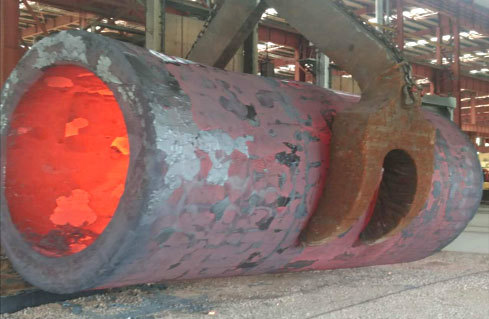
Forging
Forging: It is a processing method that uses forging machinery to apply pressure to metal blanks to produce plastic deformation to obtain forgings with certain mechanical properties, certain shapes and sizes. Forging (forging and stamping) is one of the two major components. Forging can eliminate the defects such as loose casting in the smelting process and optimize the microstructure. At the same time, due to the preservation of the complete metal flow line, the mechanical properties of forgings are generally better than castings of the same material. Related machinery in high load, severe working conditions of important parts, in addition to the shape of a relatively simple available rolling plates, profiles or weldments, the use of forgings.
Key words:
More news